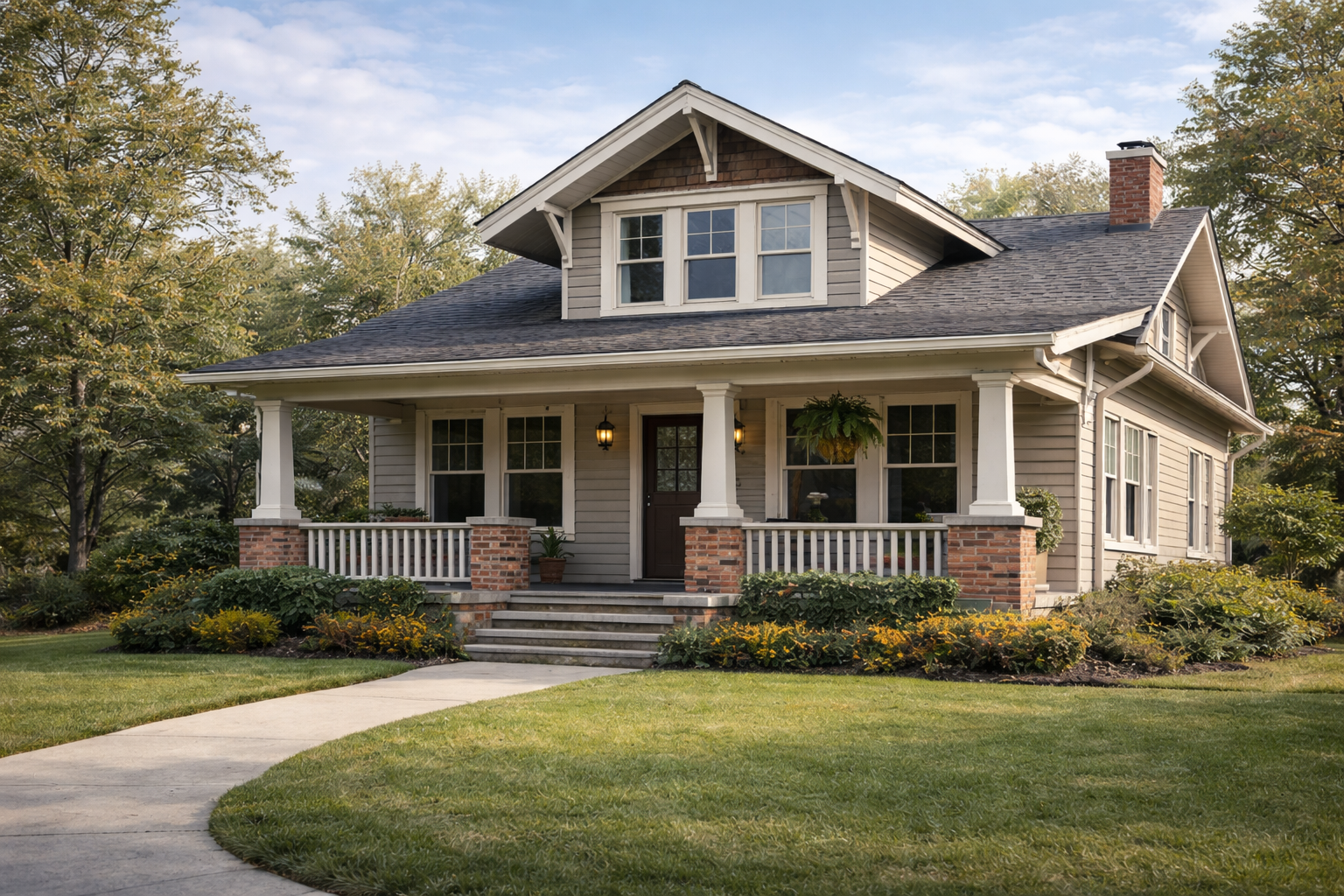
Purchasing an older home can be incredibly rewarding. From timeless architecture to established neighborhoods, these properties often carry charm and character you simply can’t find in newer builds. However, with that charm can come hidden issues—some cosmetic, others potentially costly or even dangerous. That’s why a thorough home inspection is essential. If you’re considering buying an older home, here are key inspection red flags you should never ignore.
1. Outdated Electrical Systems
One of the most common concerns in older homes is an outdated electrical system. Knob-and-tube wiring, aluminum wiring, or undersized service panels can pose serious safety risks, including fire hazards. You may also find double-tapped breakers, missing covers, or improper grounding.
Modern homes require more electrical capacity than homes built decades ago. If the system hasn’t been upgraded, you could face expensive updates just to safely support today’s appliances and technology.
2. Plumbing Problems and Aging Pipes
Older homes often feature original plumbing systems that may include galvanized steel or even lead pipes. These materials can corrode over time, leading to reduced water pressure, leaks, and potential health concerns.
Look for signs like water discoloration, slow drainage, or visible corrosion. Plumbing repairs can range from minor fixes to full system replacements, so it’s critical to understand what you’re dealing with before closing the deal.
3. Foundation and Structural Concerns
A home’s foundation is quite literally what everything else rests on. Cracks in the foundation, uneven floors, sticking doors, or bowing walls could indicate structural issues. While some settling is normal in older homes, significant movement is a red flag that requires further evaluation.
As a home inspector, we often recommend bringing in a structural engineer if there are signs of major concern. Ignoring these issues can lead to costly repairs down the road.
4. Roof Damage and Poor Ventilation
The roof is your home’s first line of defense against the elements. In older homes, roofing materials may be near the end of their lifespan—or worse, improperly installed.
Watch for missing shingles, sagging areas, damaged flashing, or signs of water intrusion in the attic. Poor attic ventilation can also lead to moisture buildup, mold growth, and premature roof failure.
5. Hazardous Materials
Older homes may contain materials that are no longer used due to health risks. These can include asbestos insulation, lead-based paint, or outdated insulation materials.
While not always immediately dangerous if left undisturbed, these materials can become a problem during renovations or repairs. Identifying them early allows you to plan safely and budget accordingly.
6. Moisture Intrusion and Mold
Water is one of the most damaging elements a home can face. Older homes may have compromised waterproofing, aging siding, or foundation issues that allow moisture to seep in.
Signs of trouble include musty odors, visible mold, water stains, or efflorescence on foundation walls. Left unchecked, moisture problems can lead to structural damage and poor indoor air quality.
7. Improper Repairs or DIY Work
Not all upgrades in older homes are done professionally. In fact, many issues we find during inspections stem from well-intentioned but improperly executed DIY repairs.
Examples include makeshift structural supports, unsafe electrical modifications, or poor roofing repairs. These shortcuts can create safety concerns and may not meet current building codes.
8. Insulation and Energy Efficiency Issues
Older homes were not built with modern energy efficiency standards in mind. Insufficient insulation, drafty windows, and outdated HVAC systems can lead to higher utility bills and reduced comfort.
While these issues are often fixable, they should be factored into your overall budget and expectations.
Why a Professional Inspection Matters
Buying an older home doesn’t have to be risky—as long as you go in informed. A professional home inspection helps uncover hidden issues, prioritize repairs, and give you peace of mind before making one of the biggest investments of your life.
At Inspected Moore, we specialize in identifying the unique challenges that come with older homes. While we’re not structural engineers or contractors, we know what to look for and when to recommend further evaluation by licensed professionals.
Final Thoughts
Older homes can be a fantastic investment, but they require careful evaluation. By understanding these common inspection red flags, you can make a more informed decision and avoid costly surprises.
If you’re thinking about buying an older home, don’t skip the inspection—it could save you thousands and protect your future home.