In the Pacific Northwest (or your specific region), it’s not a matter of if insects will find a home—it’s a matter of when. While a standard home inspection covers the visible systems of a house, a Wood-Destroying Organism (WDO) inspection dives deeper into the silent threats that can compromise a building’s skeleton.
Why a WDO Inspection is Essential
Termites, carpenter ants, and wood-boring beetles don’t make a grand entrance. They work quietly behind drywall, under floorboards, and within crawlspaces. By the time damage is visible to the untrained eye, the repair costs can be staggering.
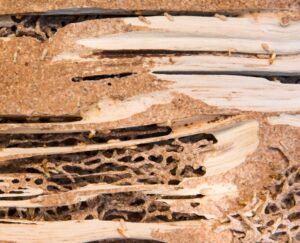 Our inspection targets the “Big Four”:
Termites: Subterranean and drywood termites that eat away at structural foundations.
Carpenter Ants: Large ants that tunnel through wood to create nesting galleries.
Wood-Boring Beetles: Larvae that spend years eating through timber before emerging.
Wood-Decay Fungi: Often called “dry rot,” these organisms thrive in moisture and destroy wood fiber.
What We Look For
During our comprehensive assessment, we don’t just look for bugs; we look for the conditions that invite them. Our report includes:
Active Infestation: Identification of live insects or current fungal growth.
Previous Damage: Evaluating the extent of past activity and whether repairs were structural or cosmetic.
Conducive Conditions: Pinpointing high-risk areas like standing water, earth-to-wood contact, or poor ventilation that act as an “open invitation” for pests.